
Capital Allocation | Methodical Approach
During Bearish Trends or Downtime? Sharpen Your System.
There’s a strange kind of pressure that shows up the moment the market turns red. Every dip starts to look like an opportunity, every red candle starts whispering “buy me,” and before you know it, you’ve deployed capital you never actually planned to deploy — on a stock you never actually planned to buy.
This is exactly the moment most portfolios get damaged. Not during the crash itself, but in the reaction to it.

So here’s a rule I hold onto, and one worth borrowing: the goal is set BEFORE the purchase — not during it.
Allocate by Target, Not by Temptation
When the market is choppy or simply quiet, that’s not dead time. That’s system time.
Instead of scrolling tickers looking for the next shiny green candle, the better use of a bearish stretch is to go back to your own numbers — the price band and unit size you already decided on before emotions entered the room.
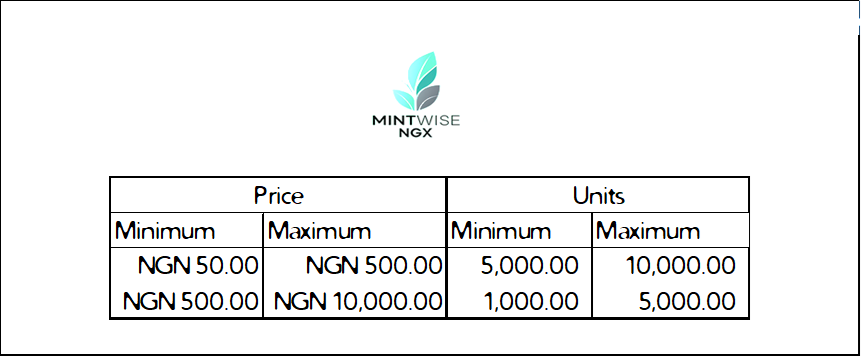
A simple starting framework looks like this:
| Price Range | Unit Range |
|---|---|
| ₦50 – ₦500 | 5,000 – 10,000 units |
| ₦500 – ₦10,000 | 1,000 – 5,000 units |
The logic is simple: lower-priced stocks get sized in higher unit counts, higher-priced stocks get sized in smaller unit counts — and both bands still map back to a target allocation you set in advance, not one you improvise in the heat of a red trading day.
Why This Matters More in a Downtrend
Bearish trends are seductive precisely because they feel like a fire sale. But a target-based system does something a “gut feeling” trade never does — it keeps you anchored to your own model instead of chasing whatever’s flashing on the screen that day.
As the saying goes: stay focused on your initial model, not the shiny object.
Downtime isn’t dead time. It’s the best time to:
- Revisit your price bands — are they still realistic for current NGX conditions?
- Stress-test your unit sizing against your actual available capital
- Decide, in writing, what price and unit range you’ll commit to before the next opportunity shows up
Over to You
Everyone’s system looks a little different once you get into the specifics.
What’s your rule for position sizing when the market turns bearish — do you scale in by price band, by fixed unit count, or something else entirely? Drop your framework (or your worst “I broke my own rule” story) in the comments below.
This post is for informational purposes only and does not constitute financial advice. Always do your own research before making investment decisions.